
Kunafa vs Baklava: What's the Difference? Taste, Texture & Origins
Kunafa and baklava are both beloved Middle Eastern desserts, but they are fundamentally different in construction, texture, and flavor. Here is how they compare — and which one wins in Dubai chocolate.
Shop the ingredients & tools
ThermoWorks Thermapen ONE Instant-Read ThermometerView on AmazonValrhona Caraïbe 66% Dark Chocolate FevesView on AmazonChocoVision Rev 2B Chocolate Tempering Machine (1lb)View on AmazonPure Bulgarian Rose Extract for Baking (2oz Culinary Grade)View on AmazonGhirardelli 60% Bittersweet Chocolate Chips (10oz)View on AmazonSoom Foods Premium Tahini 11oz (2-Pack)View on AmazonCuisinart DFP-14BCNY 14-Cup Food ProcessorView on Amazon
Recipe
# Kunafa vs Baklava: The Ultimate Middle Eastern Dessert Showdown
If you have gotten into Dubai chocolate, you have encountered kunafa — the shredded pastry that gives those chocolate bars their signature crunch. But you may be wondering: how is kunafa different from baklava, that other famous Middle Eastern pastry dessert?
They are both syrup-soaked, nut-laden pastries from the same region. But that is where the similarities end. Let us break down these two iconic desserts across every dimension.
## What Is the Difference Between Kunafa and Baklava?
**The short answer:** the difference between kunafa and baklava comes down to pastry structure, filling, and serving temperature. Kunafa is built from shredded phyllo threads (kataifi) around a warm cheese or cream filling and is best eaten hot; baklava is built from flat, stacked phyllo sheets around a chopped-nut filling, soaked in honey or syrup, and served at room temperature. Kunafa gives you crunchy-outside, molten-inside contrast; baklava gives you flaky layers and concentrated nut sweetness.
If you only remember one line: **kunafa = shredded pastry + cheese, served warm; baklava = layered pastry + nuts, served cool.** That structural difference is also why kunafa — not baklava — became the crunch inside viral Dubai chocolate bars (more on that below).
## The Basics
### What Is Kunafa?
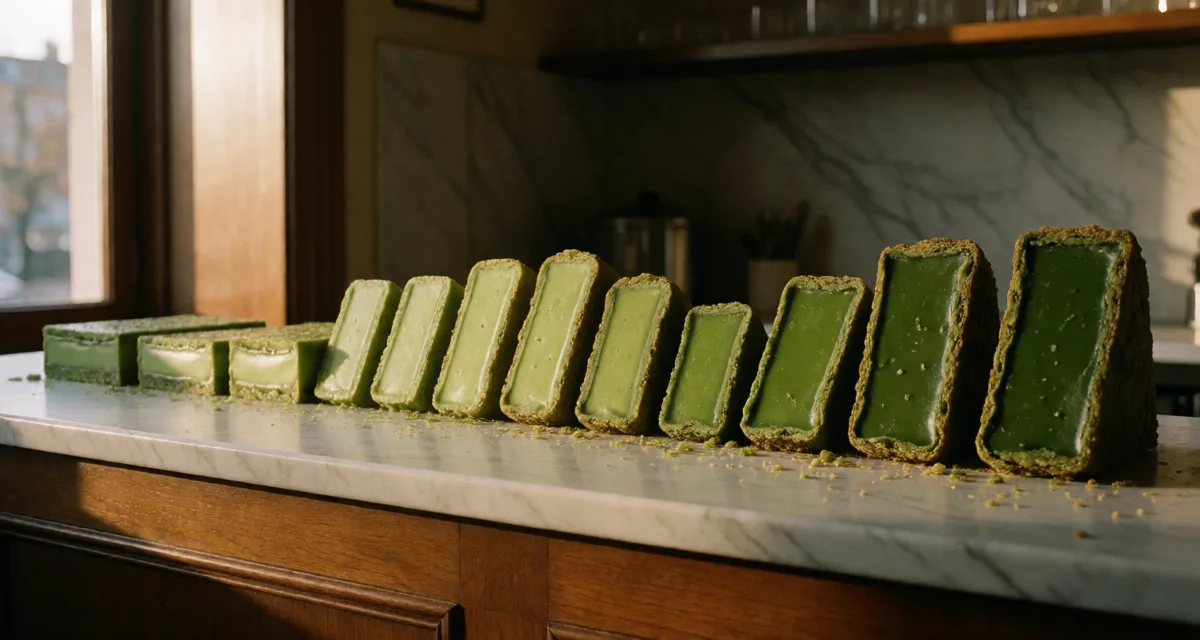
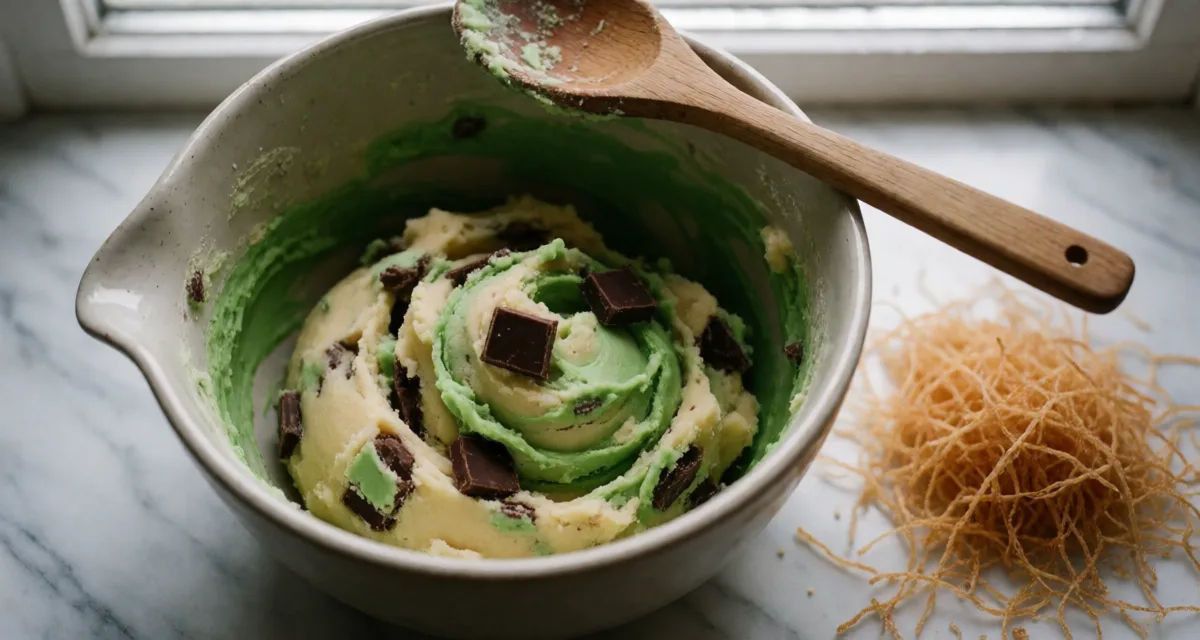
Kunafa (also spelled knafeh, kanafeh, or kunafe) is a dessert made from shredded phyllo dough (called kataifi) or a semolina-based dough, layered with cheese or cream, baked until golden, and soaked in sugar syrup.
**Key characteristics:**
- Shredded, thread-like pastry texture
- Traditionally filled with sweet cheese (Nabulsi or akkawi) or clotted cream
- Soaked in rosewater or orange blossom sugar syrup
- Topped with crushed pistachios
- Served warm
### What Is Baklava?
Baklava is a layered pastry made from thin sheets of phyllo dough, brushed with butter, filled with chopped nuts, baked until crispy, and drenched in honey or sugar syrup.
**Key characteristics:**
- Paper-thin layers of phyllo sheets
- Filled with chopped walnuts, pistachios, or almonds
- Each layer brushed with melted butter
- Drenched in honey-based or sugar syrup after baking
- Served at room temperature or cold
- Cut into diamond or triangle shapes
## Head-to-Head Comparison
| Feature | Kunafa | Baklava |
|---------|--------|---------|
| **Pastry type** | Shredded phyllo (kataifi) | Layered phyllo sheets |
| **Texture** | Crunchy threads, chewy center | Crisp, flaky, shattering layers |
| **Primary filling** | Cheese or cream | Chopped nuts |
| **Sweetener** | Sugar syrup (rose/orange blossom) | Honey or sugar syrup |
| **Serving temp** | Warm (best fresh) | Room temperature |
| **Shape** | Round or rectangular slab | Diamonds, triangles, squares |
| **Origin region** | Levant (Palestine, Lebanon, Syria) | Ottoman Empire (Turkey, Greece) |
| **Shelf life** | 1-2 days (cheese filling) | 1-2 weeks (nut filling) |
## Taste Profiles
### Kunafa Flavor Journey
1. **First bite:** Crunchy, buttery, caramelized pastry exterior
2. **Middle:** Stretchy, mild, slightly salty cheese or rich cream
3. **Finish:** Sweet syrup with rose water or orange blossom perfume
4. **Aftertaste:** Buttery, floral, comforting
The magic of kunafa is the **contrast between hot, crunchy pastry and warm, melting cheese**. It is fundamentally a savory-sweet experience.
### Baklava Flavor Journey
1. **First bite:** Shattering, paper-thin crispness
2. **Middle:** Concentrated nut flavor — earthy, roasted, slightly bitter
3. **Finish:** Honey sweetness with butter richness
4. **Aftertaste:** Sticky, nutty, intensely sweet
Baklava is about **layered crunch and concentrated nuttiness**, with sweetness as the dominant note.
## Historical Origins
### Kunafa's History
- Dates to at least the **10th century** Fatimid era in Egypt
- Some scholars attribute it to the Umayyad Caliph Muawiya I (7th century)
- Became the signature dessert of **Nablus, Palestine** — where Nabulsi cheese kunafa is considered the gold standard
- Spread throughout the Levant, Egypt, Turkey, and eventually the Gulf states
- [Became the key ingredient in viral Dubai chocolate](/blog/history-of-dubai-chocolate)
### Baklava's History
- Origins debated between **Turkey, Greece, and the broader Ottoman Empire**
- The oldest known recipe appears in a **13th-century Arabic cookbook**
- Turkish Topkapi Palace records show baklava served to Janissaries in the 15th century
- Greeks claim ancestry through placenta cake and gastrin from ancient times
- Became a symbol of **Ottoman luxury and celebration**
Both desserts have passionate regional advocates who claim their version is the original and the best — a debate that has been running for centuries.
## Regional Variations
### Kunafa Variations
- **Nabulsi kunafa:** Nabulsi cheese filling, considered the most traditional
- **Cream kunafa:** Filled with ashta (clotted cream) instead of cheese
- **Mafroukeh:** Uses coarse semolina dough instead of kataifi
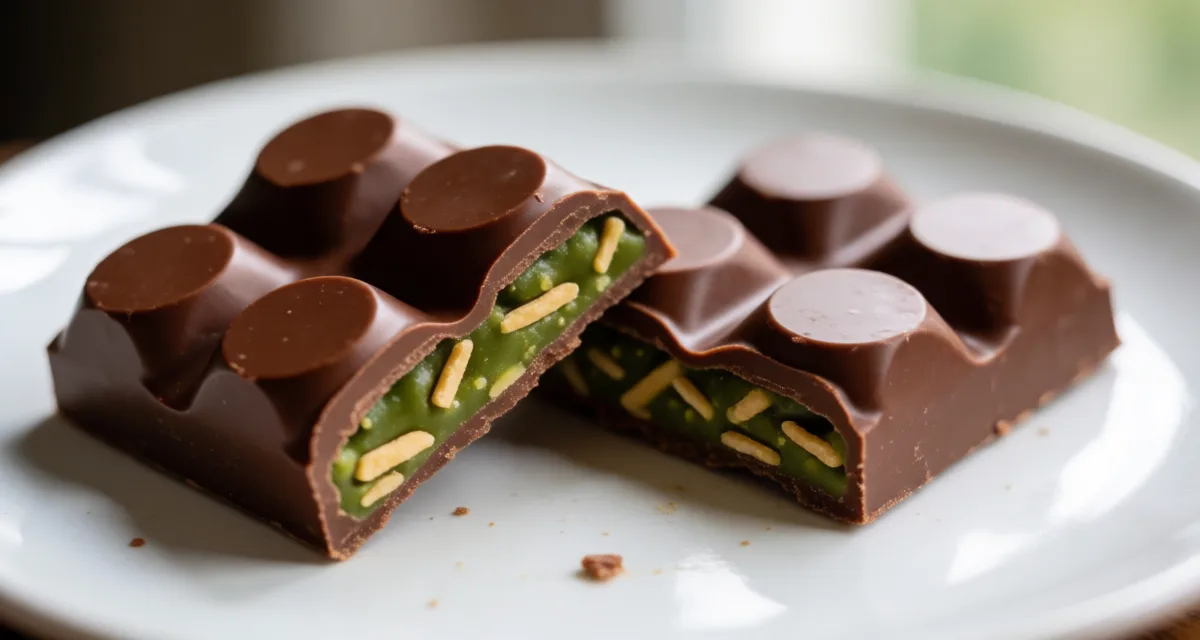
- **Dubai chocolate kunafa:** Pastry layered inside chocolate bars — the modern innovation that went viral (check our [recipes](/recipes))
- **Turkish kunafe:** Often topped with kaymak (buffalo milk cream)
### Baklava Variations
- **Turkish baklava:** Typically uses walnuts or pistachios, thin syrup
- **Greek baklava:** Heavier on honey and cinnamon, often uses walnuts
- **Lebanese baklava:** Lighter, may use cashews or pine nuts, rose water syrup
- **Iranian baklava:** Uses cardamom and saffron in the syrup
- **Rolled baklava (burma):** Rolled into cylinders instead of layered flat
## Which Works Better in Dubai Chocolate?
This is the question Dubai chocolate fans really want answered. And the answer is clear: **kunafa wins for chocolate applications.**
Here is why:
### Why Kunafa Works in Chocolate:
- **Thread-like structure** creates air pockets that stay crunchy even when enclosed in chocolate
- **Butter-toasted flavor** complements chocolate beautifully
- **Neutral flavor** lets the pistachio cream and chocolate shine
- **Consistent texture** throughout the bar — every bite has the same crunch
- **Does not compete** with the pistachio cream for attention
### Why Baklava is Harder to Use in Chocolate:
- **Layered phyllo sheets** become soggy when enclosed in chocolate (no air circulation)
- **Nut filling** competes with the pistachio cream layer, creating flavor confusion
- **Honey residue** can interfere with chocolate tempering
- **Irregular texture** — some bites might be all nuts, others all pastry
- **Too sweet** — baklava plus chocolate plus pistachio cream is sugar overload
That said, some chocolatiers have created "baklava-inspired" chocolate bars that use elements of baklava (honey, walnut, cinnamon) without the full phyllo construction. These can be excellent in their own right — just different from true Dubai chocolate.
## Can You Use Both in Desserts?
Absolutely. Here are some creative crossover ideas:
- **Baklava-topped kunafa:** Traditional kunafa with a crunchy baklava-style nut and honey layer on top
- **Kunafa baklava rolls:** Rolled baklava filled with kunafa cream instead of chopped nuts
- **Dubai chocolate baklava bites:** Small baklava pieces dipped in tempered chocolate with pistachio cream
- **Hybrid gift box:** Package both kunafa-style Dubai chocolate bars and baklava pieces together — see our [gift guide](/blog/dubai-chocolate-gift-ideas)
## Nutritional Comparison
Per 100g serving (approximate):
| Nutrient | Kunafa | Baklava |
|----------|--------|---------|
| Calories | 350-400 | 400-450 |
| Fat | 15-20g | 20-25g |
| Sugar | 25-35g | 30-40g |
| Protein | 8-12g | 6-10g |
| Fiber | 1g | 2g |
Kunafa is slightly lighter calorically due to its cheese or cream filling versus baklava's dense nut content. Neither qualifies as a health food, but that is not why we eat them. For more on the health angle, see our [Dubai chocolate nutrition breakdown](/blog/is-dubai-chocolate-healthy).
## The Verdict
Kunafa and baklava are both masterpieces of Middle Eastern pastry arts, but they serve different purposes:
- **Choose kunafa** when you want contrast (crunchy vs creamy), warmth, and the authentic Dubai chocolate experience
- **Choose baklava** when you want intense nuttiness, honey richness, and a shelf-stable treat
For Dubai chocolate specifically, kunafa is the clear winner — its shredded structure was practically designed to exist inside a chocolate shell.
Want to work with kunafa yourself? Start with our [beginner recipes](/blog/dubai-chocolate-for-beginners-easy-recipes) or learn the foundation with our [chocolate tempering guide](/blog/how-to-temper-chocolate-at-home).
---
*More Dubai chocolate answers: [Is Dubai chocolate gluten-free?](/gluten-free-dubai-chocolate) · [Can you freeze Dubai chocolate?](/blog/can-i-freeze-dubai-chocolate)*
You Might Also Like

Affiliate Disclosure: Some links in this recipe are affiliate links. If you purchase through these links, we may earn a small commission at no additional cost to you. This helps us continue creating and testing new recipes. All recommendations are based on our genuine experience and testing.