Edible Dubai Chocolate Cookie Dough Recipe (Safe to Eat, No Bake)
A spoonable, safe-to-eat cookie dough loaded with pistachio cream, dark chocolate chunks, and crispy kunafa. Heat-treated flour means it is genuinely safe — and it tastes like a Dubai chocolate bar in cookie dough form.
Edible Dubai Chocolate Cookie Dough
Cookie dough is the dessert equivalent of skipping dessert and just eating the dough. We have all done it. The problem with sneaking spoonfuls of raw dough is raw flour and raw eggs — both of which have actual food-safety issues, no matter what your grandmother said. This recipe solves both problems with two simple steps: heat-treated flour and no eggs. The result is a cookie dough you can eat by the spoonful, with all the flavors of a Dubai chocolate bar — pistachio cream, dark chocolate, and toasted kunafa.
Free: The Dubai Chocolate Masterclass: 5 Recipes from $3 to $40
5 recipes, every budget level
This is not "cookie dough you should probably bake later." This is dessert-in-its-own-right. Scoop into a small bowl, top with kunafa and crushed pistachios, and eat with a spoon. It is also a fantastic ice cream topping, a brilliant filling for two cookies (instant ice cream sandwich without the ice cream), and an excellent gift in a small jar.
Total time: 20 minutes. Makes about 2 cups of dough.
No spam. Unsubscribe anytime.
Why Edible Cookie Dough Is Different From Regular Cookie Dough
Two changes:
- Heat-treated flour. Raw flour can contain E. coli and other bacteria from the field. A quick toast in the oven (or microwave) kills any pathogens and makes the flour safe to eat raw.
- No eggs. Standard cookie dough uses egg yolks for richness, but eggs in raw dough are a salmonella risk. We replace them with milk and pistachio cream, which add the moisture and fat without the risk.
The texture stays soft, scoopable, and unmistakably cookie-doughy. You will not miss the eggs.
Ingredients (Makes 2 Cups, About 8 Servings)
For the heat-treated flour
- 200g all-purpose flour
For the cookie dough
- 170g unsalted butter, softened to room temperature
- 150g light brown sugar, packed
- 50g granulated sugar
- 2 tablespoons whole milk
- 1 teaspoon vanilla extract
- 1/4 teaspoon fine sea salt
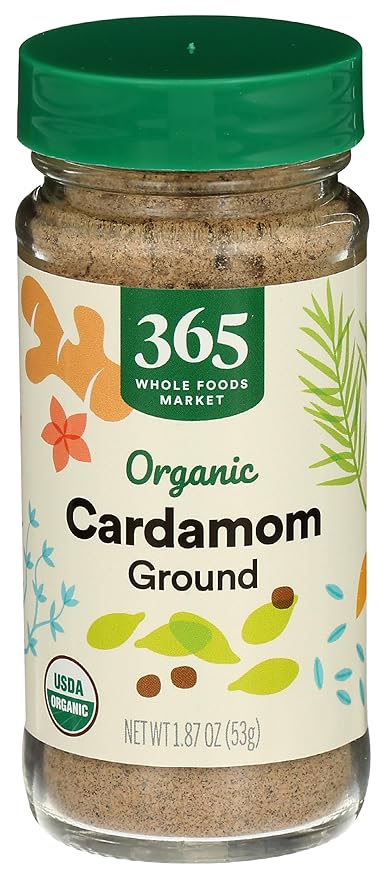
- 1/4 teaspoon ground cardamom (optional, but elevates the whole dish)
- 100g Sicilian pistachio cream
- 120g 70% dark chocolate, chopped into small chunks (or chocolate chips)
For the kunafa topping
- 40g shredded kataifi pastry
- 1 tablespoon unsalted butter
- 1 teaspoon granulated sugar
- Pinch of salt
For garnish (optional)
- Crushed raw pistachios
- A drizzle of warm chocolate sauce
- A pinch of flaky sea salt
Instructions
Step 1: Heat-treat the flour (10 minutes)
You can do this two ways. The oven method is more thorough; the microwave is faster.
Oven method (recommended):
- Preheat the oven to 350°F (175°C).
- Spread the flour in a thin layer on a baking sheet.
- Bake for 6 to 7 minutes, stirring once at the halfway mark.
- Check the temperature — a digital thermometer inserted into the flour should read 160°F (71°C) or higher. This is the temperature that kills E. coli.
- Let cool completely before using. Hot flour will melt your butter.
Microwave method:
- Spread the flour in a thin layer in a microwave-safe bowl.
- Microwave on high in 30-second bursts, stirring between each, until a thermometer reads 160°F throughout — usually 1 to 2 minutes total.
- Let cool completely.
Step 2: Toast the kunafa (8 minutes)
- Melt the butter in a wide skillet over medium heat.
- Add the kunafa, sugar, and salt. Toast, stirring constantly, until deep golden — about 5 to 6 minutes.
- Spread on a plate to cool. Break up any clumps once cool. Reserve.
Step 3: Mix the dough (8 minutes)
- In a medium bowl, beat the softened butter, brown sugar, and granulated sugar with a hand mixer or wooden spoon until light and creamy — about 2 minutes. This step matters; the texture of cookie dough is largely about how well you cream the butter and sugar.
- Beat in the milk, vanilla, salt, and cardamom. The mixture may look slightly curdled — this is normal and resolves when you add the flour.
- Add the cooled, heat-treated flour. Stir until just combined.
- Fold in the pistachio cream and chopped dark chocolate. Do not overmix — you want visible swirls of pistachio cream and distinct pieces of chocolate.
Step 4: Scoop and serve
- Transfer the dough to a serving bowl or individual ramekins.
- Top with toasted kunafa, crushed pistachios, and flaky salt.
- Serve at room temperature with a small spoon. Cookie dough seizes up when cold — let it come to temperature for the best texture.
Chef's Notes
- Soft butter, not melted. Cookie dough needs the butter at proper room temperature (about 65°F / 18°C). It should give slightly when pressed but still hold its shape. Melted butter makes the dough greasy.
- Heat-treat the flour properly. The 160°F threshold is the FDA recommendation for killing E. coli. Skip this step at your own risk — most cases of "cookie dough sickness" are actually flour-related, not egg-related.
- Quality chocolate, real chunks. With so few ingredients, the chocolate matters. Hand-chopped 70% dark chocolate gives the best balance of texture and flavor. Chocolate chips work but lack the variety in size.
- Make the kunafa really dark. It needs to crunch through cold cookie dough — pale kunafa gets lost in the texture. Push it past golden into deep amber.
Variations
- Tahini-Pistachio. Replace half the pistachio cream with tahini for a Middle Eastern twist with savory depth.
- Cookie Dough Truffles. Roll the dough into small balls, dip in melted dark chocolate, and refrigerate. Each truffle is a perfect cookie-dough-in-chocolate-shell bite.
- Ice Cream Mix-In. Fold tablespoons of cookie dough into softened vanilla or pistachio ice cream. Refreeze for 2 hours and you have Dubai chocolate cookie dough ice cream.
- Cookie Dough Cups. Press the dough into chocolate-lined silicone cups, top with chocolate, refrigerate. Peanut butter cup format, Dubai chocolate flavors.
- No-Pistachio Version. Skip the pistachio cream and use 100g of melted dark chocolate folded into the base for a more traditional double-chocolate cookie dough.
Storage Tips
- Store in an airtight container in the refrigerator for up to 1 week.
- Bring to room temperature before serving — cold cookie dough is dense and unpleasant.
- The kunafa topping softens over time when stored against the dough. If you want crispy kunafa, store it separately and top just before serving.
- Cookie dough freezes well for up to 3 months — scoop into individual portions before freezing, then thaw in the refrigerator overnight.
Can You Bake This Dough?
Technically yes, but it will not produce great cookies. This recipe is engineered for raw eating: no eggs means no structure for proper rise, the pistachio cream contributes oil that makes baked cookies spread too thin, and the heat-treated flour does not bond as well as raw flour during baking.
If you want pistachio-stuffed cookies you can actually bake, see our Dubai Chocolate Cookies recipe — it is specifically designed for the oven.
Frequently Asked Questions
Is heat-treated flour really safe to eat?
Yes — when properly treated to 160°F (71°C) throughout, raw flour is safe. The FDA specifically recommends this method for any recipe involving raw or undercooked flour. A digital thermometer is the only way to be certain.
Can I use cake flour or whole wheat flour?
All-purpose is the gold standard. Cake flour is too soft and gives a powdery texture; whole wheat is too coarse and grainy. Stick with regular all-purpose for the best mouthfeel.
Why no eggs?
Eggs in raw dough are a salmonella risk. We use milk and pistachio cream to provide moisture and fat without the food-safety concern. If you want a richer dough and are willing to use pasteurized eggs, you can add 1 yolk — but it is not necessary.
Can I make this dairy-free?
Yes — replace the butter with a high-quality vegan butter (Miyoko's or Earth Balance), use plant-based milk (oat milk works best), and confirm your pistachio cream is dairy-free (Bronte is, most are). The flavor holds up beautifully.
How long does this keep in the fridge?
About 7 days in an airtight container. The pistachio cream layer can start to bleed into the surrounding dough after that, which affects appearance but not safety.
Can I gift this in jars?
Absolutely — these are a great edible gift. Pack into small mason jars, top with toasted kunafa and a sprinkle of crushed pistachios, and include a label noting "Refrigerate; eat within 5 days." The dough lasts longer in the fridge, but you want a comfortable buffer for a gift.
Related Recipes
- Dubai Chocolate Cookies — the bake-it version
- Dubai Chocolate Cookie Skillet — a giant pan-cookie version
- Sesame Tahini Energy Bites — for a more wholesome bite-sized snack
- Dubai Chocolate Protein Balls — a protein-forward variation
Affiliate Disclosure
Discussion
Sign in with GitHub to leave a comment. Your replies are stored on this site's public discussion board.